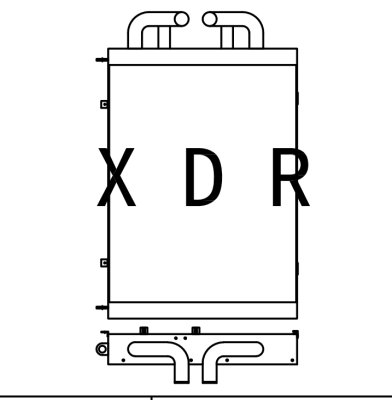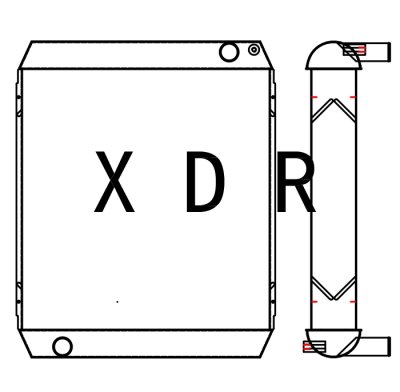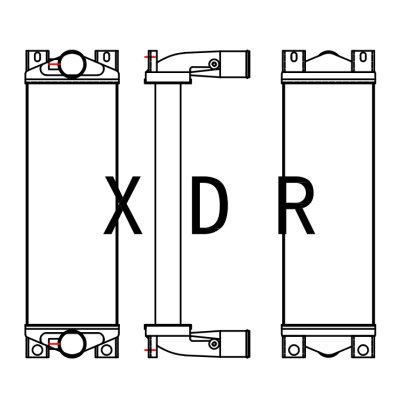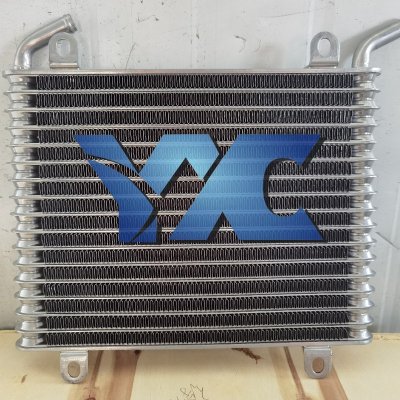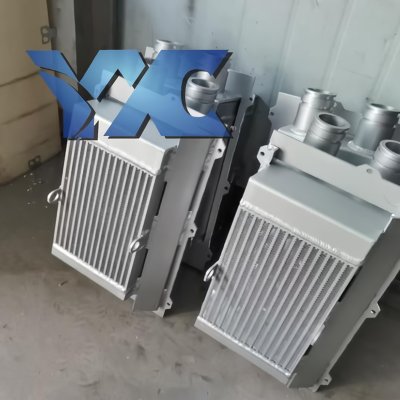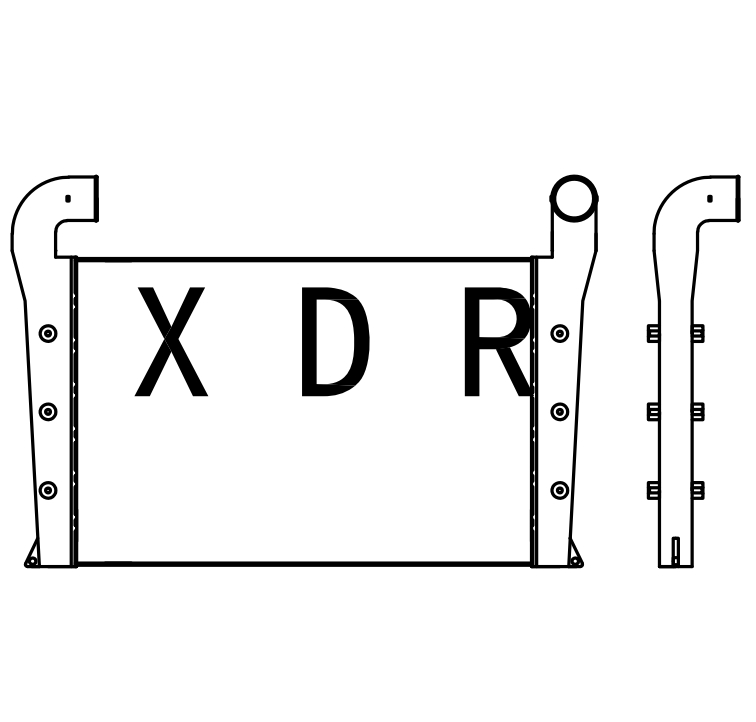
Air Radiator for Excavator Hitachi 490
Air Radiator for Excavator Hitachi 490
1. High efficiency: The air radiator for excavators is designed to maximize heat dissipation, ensuring optimal engine performance even in the most demanding conditions.
2. Durability: Constructed from robust materials, the radiator withstands vibrations, impacts, and the harsh elements of construction sites, ensuring long-lasting performance.
3. Compact design: The compact and streamlined design of the radiator allows for easy installation and compatibility with various excavator models, minimizing space constraints.
The radiator for Hitachi EX490 excavator is a critical component of the cooling system, designed to manage engine and hydraulic system temperatures. Below is a detailed explanation based on general principles and relevant insights from the search results:
1. Function of the Air Radiator
The air radiator dissipates heat generated by the engine and hydraulic systems. It uses airflow (often assisted by fans) to cool circulating fluids (coolant/hydraulic oil), preventing overheating and ensuring optimal performance in demanding conditions like high-load digging or high-ambient-temperature environments
2. Key Features
Cooling Efficiency: Designed for high heat exchange capacity, crucial for large excavators like the EX490 operating in dusty or high-temperature environments.
Dust Resistance: In high-concentration dust environments (e.g., steel slag dust), the radiator may integrate with improved air filtration systems to prevent clogging and maintain airflow .
Material Durability: Likely uses corrosion-resistant materials (e.g., aluminum or coated metals) to withstand harsh conditions, similar to Hitachi’s A-Train aluminum welding technology for durability .
3. Maintenance Considerations
Air Filter Integration: Contaminants like dust can reduce radiator efficiency. Regular cleaning/replacement of air filters (as highlighted in engine air filter maintenance for dusty environments) is essential .
Coolant Flow Stability: Ensures consistent temperature regulation, analogous to HVAC system stabilization principles where steady-state operation is critical .
4. Potential Upgrades
Enhanced Filtration: Upgrading to high-efficiency filters (e.g., for steel slag dust) can prolong radiator life
Fan Speed Control: Variable-speed fans (like those in Hitachi HVAC systems) could optimize cooling based on real-time thermal loads
5. Troubleshooting
Overheating Issues: Check for blocked radiator fins, low coolant levels, or faulty fan operation.
Leaks: Inspect for cracks or corrosion, especially in joints, referencing Hitachi’s emphasis on robust welding techniques
For model-specific details, consult Hitachi’s official manuals or service guides, as the search results do not directly address the EX490’s radiator design. However, the principles above align with industry standards and Hitachi’s engineering approaches in related fields