Multifunctional Radiator Engineering Machinery
Multifunctional radiator for engineering machinery
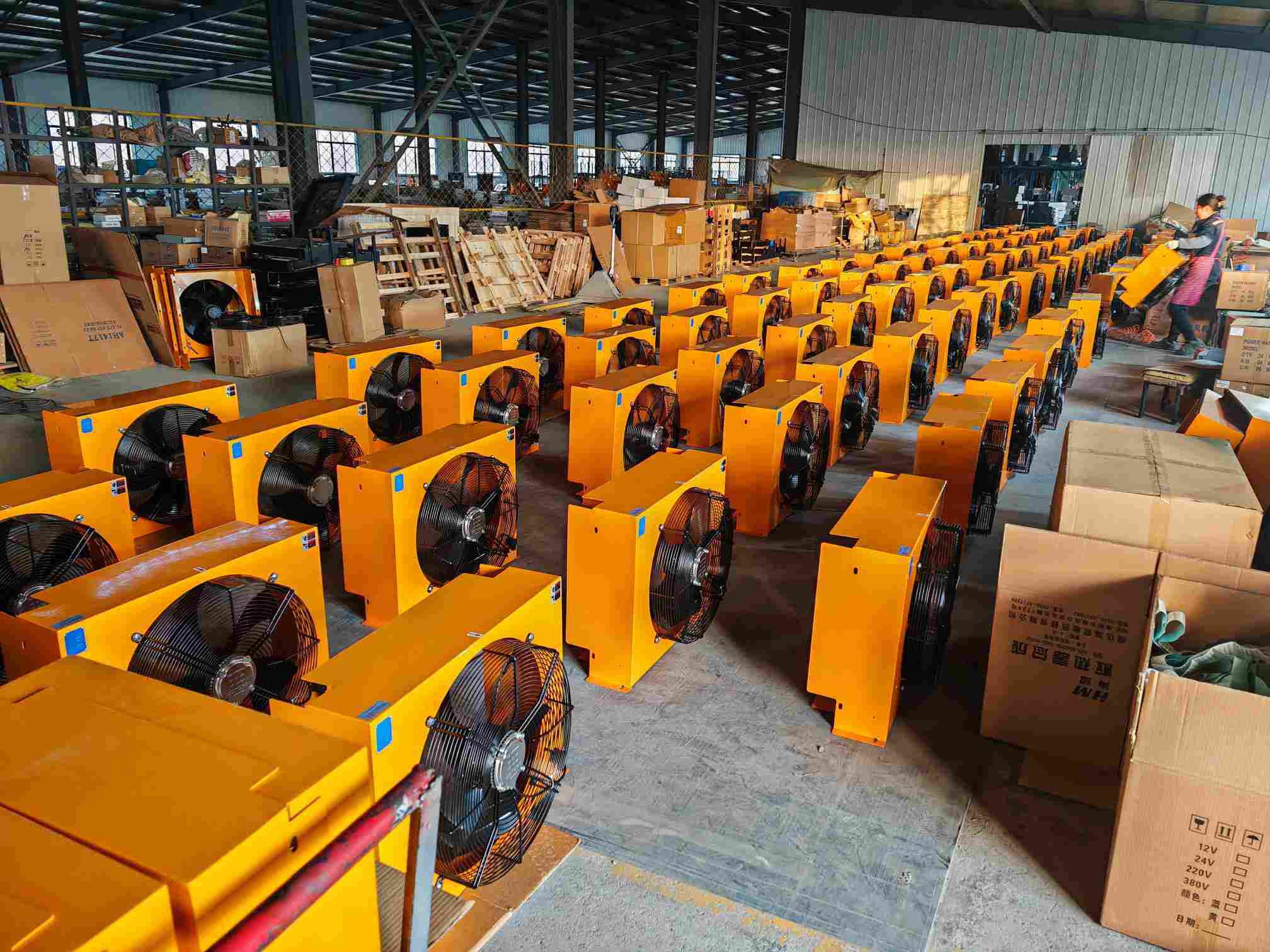
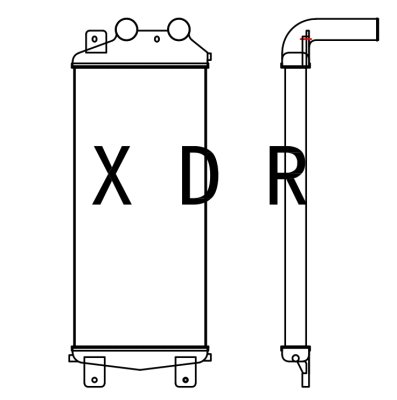
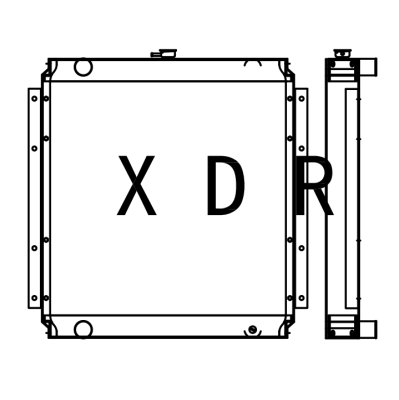
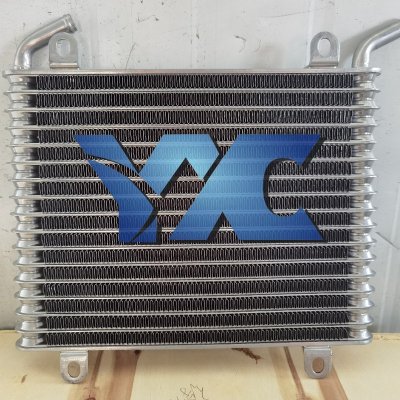
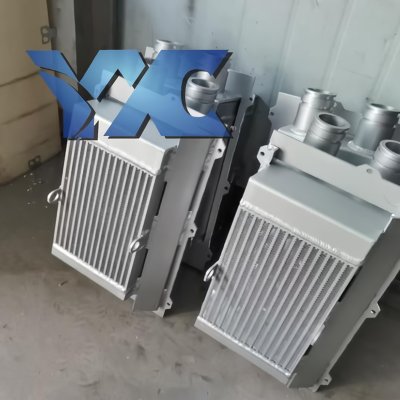
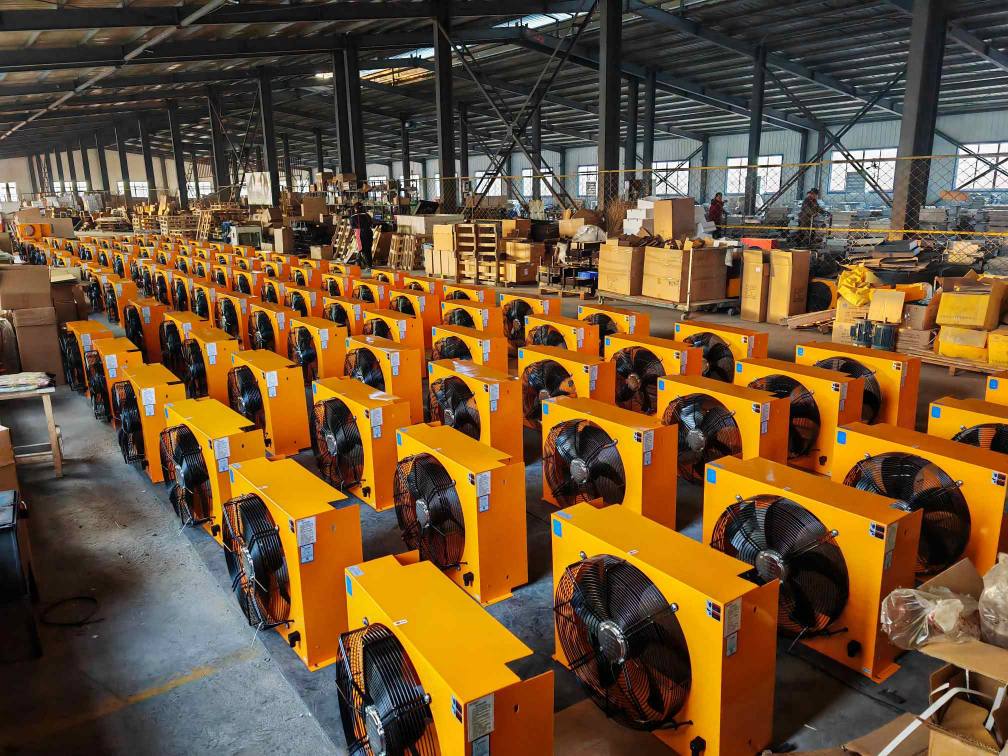
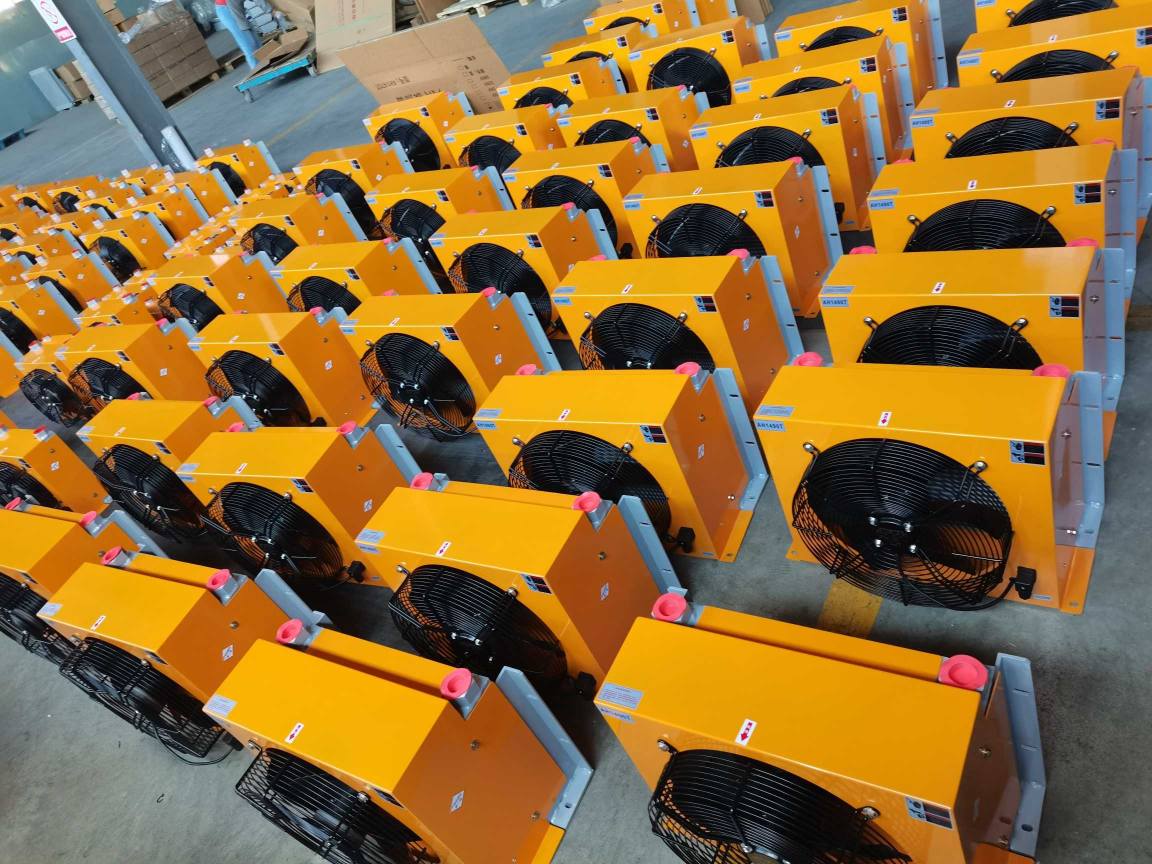
This versatile radiator is tailored for engineering machinery, integrating cutting-edge cooling mechanisms to maintain peak efficiency across diverse operational scenarios. It boasts a space-efficient design that enhances heat dispersion while occupying minimal space. Constructed with durable, corrosion-resistant materials, it is built to endure tough conditions and extend its lifespan. Moreover, its modular configuration facilitates straightforward maintenance and enhancements, thereby minimizing downtime and operational expenses.
Multifunctional Radiator for Engineering Machinery
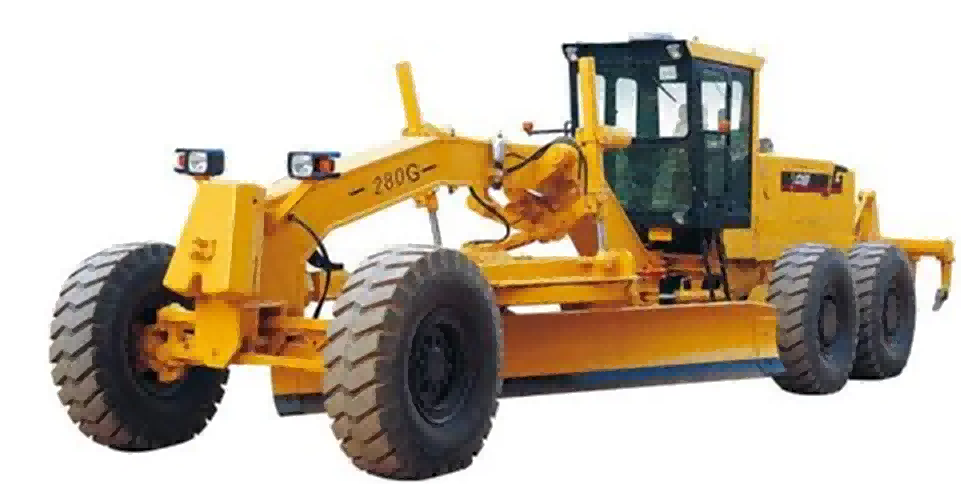
A Multifunctional Radiator for Engineering Machinery is a highly integrated cooling system designed to manage the heat generated by multiple components in heavy-duty equipment like excavators, bulldozers, wheel loaders, and cranes.
Unlike a simple car radiator that only cools the engine, this unit combines several heat exchangers into a single, compact module. Its primary purpose is to efficiently dissipate waste heat from various high-power systems to ensure optimal operating temperatures, prevent overheating, and guarantee reliable performance under extreme working conditions.
Core Functions (The "Multifunctional" Aspect)
The "multifunctional" label comes from its ability to cool up to four different fluid circuits simultaneously:
Engine Coolant Circuit: This is the primary function, similar to a standard radiator. It cools the hot coolant circulating through the engine block and cylinder head, preventing the engine from seizing due to overheating.
Hydraulic Oil Cooler Circuit: Engineering machinery relies heavily on hydraulic systems for movement and power (e.g., lifting arms, tilting buckets). This work generates significant heat in the hydraulic oil. The radiator includes a section to cool this oil, maintaining its viscosity and protecting hydraulic pumps, valves, and cylinders from damage.
Charge Air Cooler (CAC) / Intercooler Circuit: Modern machinery uses turbocharged diesel engines. The turbocharger compresses air, making it hot and less dense. The charge air cooler is a heat exchanger that cools this compressed air before it enters the engine's cylinders. Cooler, denser air allows for more efficient combustion, resulting in more power and lower emissions.
Torque Converter / Transmission Oil Cooler Circuit (Optional): In some designs, a separate section may be included to cool the oil from the transmission or torque converter, which can get very hot during operation, especially in applications involving frequent direction changes and load shifts.
Key Design Features and Advantages
Space Efficiency: Combining multiple coolers into one unit saves crucial space on the machinery, which is often very limited. This allows for a more compact engine compartment design.
Weight Reduction: A single, integrated unit is typically lighter than multiple separate coolers and their associated mounting hardware.
Improved Efficiency: Manufacturers can optimize the entire module for balanced airflow and heat dissipation across all circuits. This is often more effective than mounting separate coolers in a stack, where the first cooler can block airflow to the ones behind it.
Simplified Maintenance and Installation: Having one unit with integrated mounting points and connections simplifies the assembly process for manufacturers and makes maintenance and replacement easier for technicians.
Robust Construction: Built to withstand the harsh environments of construction, mining, and agriculture. They are made from durable materials like aluminum cores (for excellent heat transfer) and coated steel tanks or headers. They are designed to resist vibration, corrosion, dust, mud, and physical impact.