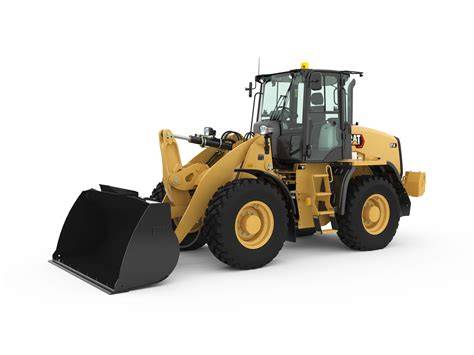
Multifunctional radiator for machinery
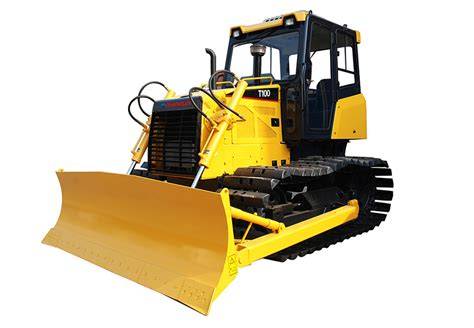
Multifunctional radiator for Construction machinery
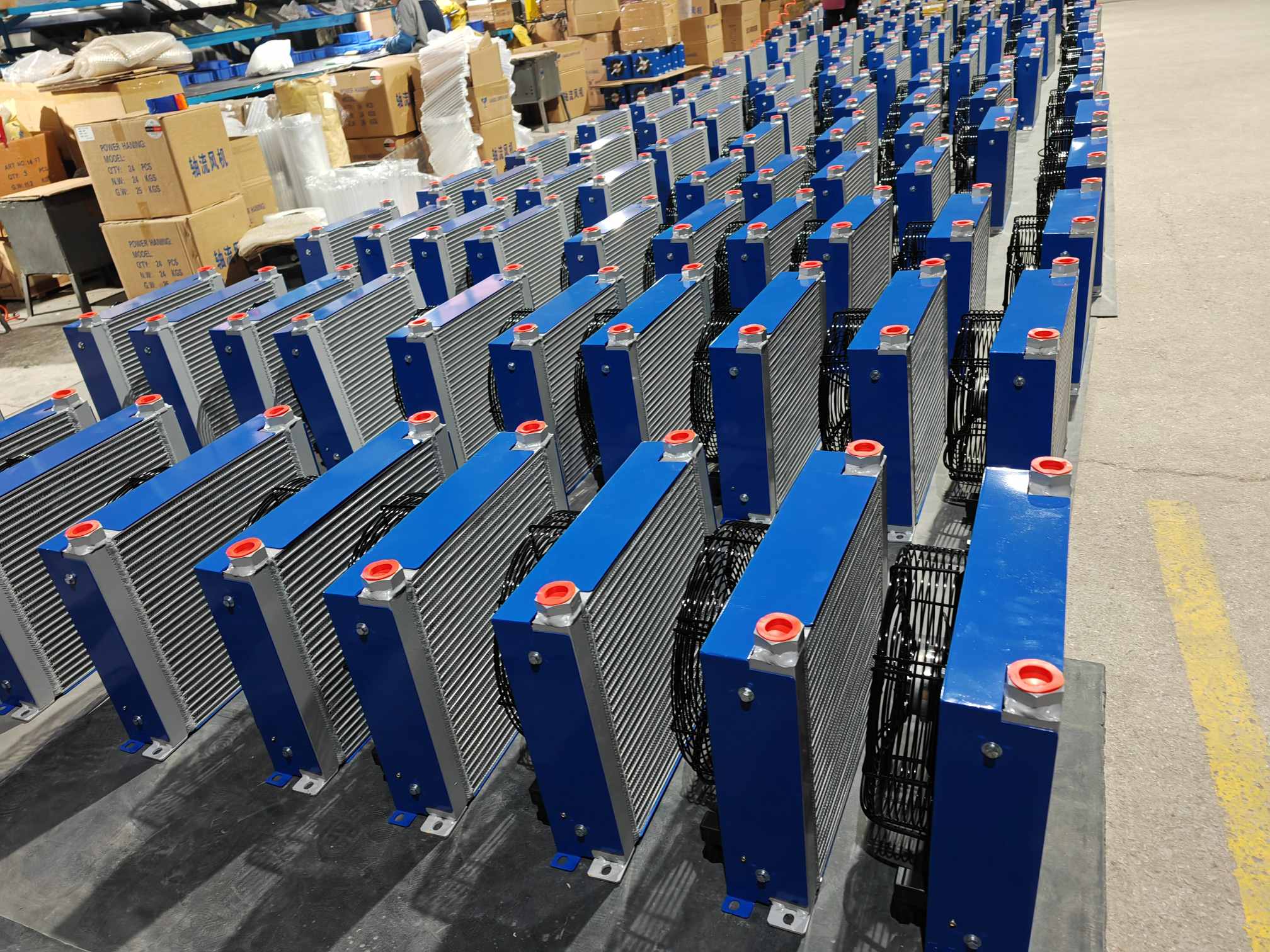
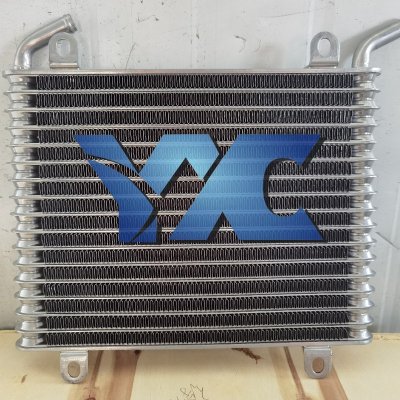
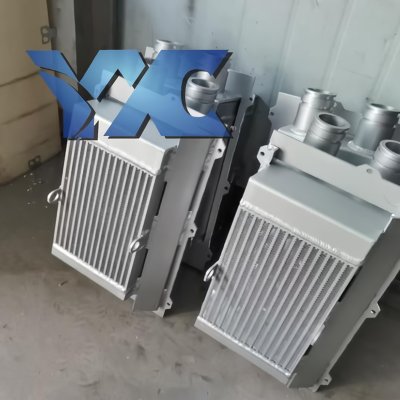
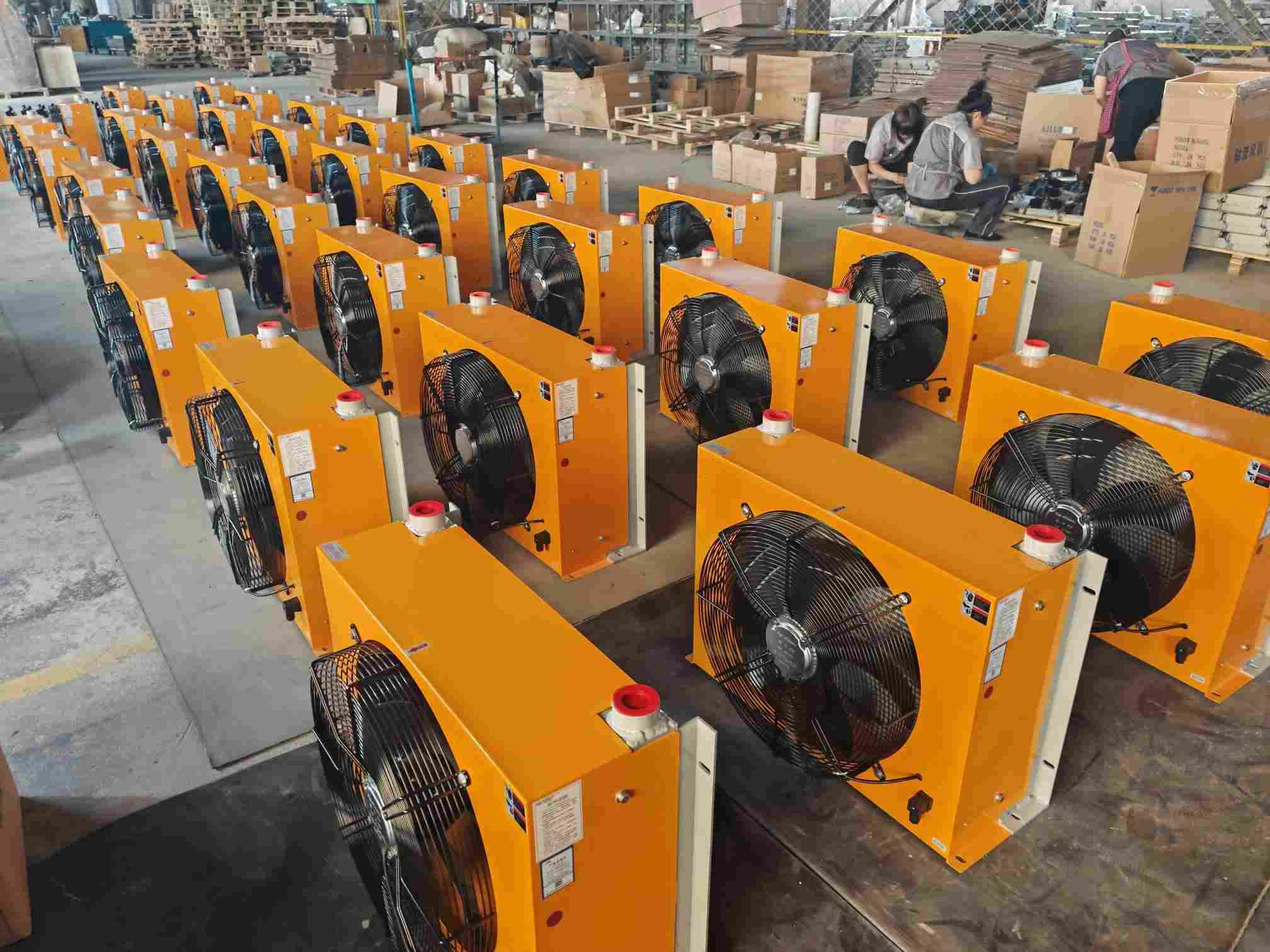
This multifunctional radiator is specifically designed for construction machinery, integrating multiple cooling functions into a single compact unit. It features advanced heat exchange technology to ensure efficient cooling of the engine and other critical components, thereby enhancing the overall performance and reliability of the machinery. Additionally, its robust construction ensures durability and resistance to the harsh operating environments typically encountered in construction sites. The radiator also incorporates easy-to-access maintenance points, facilitating regular checks and upkeep, which further contributes to the machinery's longevity.
Multifunctional Radiator for Machinery
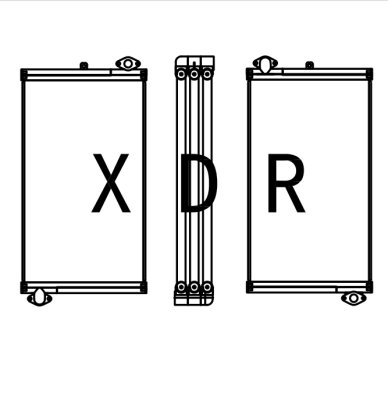
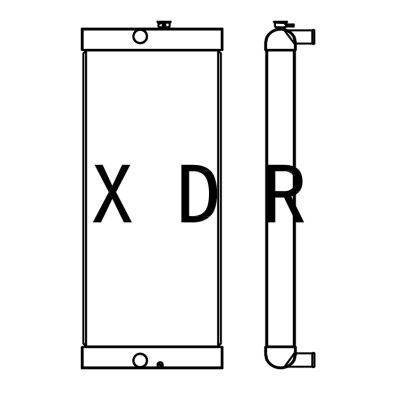
A Multifunctional Radiator for Machinery is an advanced heat exchange system designed to manage and dissipate waste heat from machinery, most commonly internal combustion engines (in vehicles, generators, construction equipment, etc.). The term "multifunctional" signifies that it integrates several critical cooling and system functions into a single, compact unit, going beyond the simple task of cooling the engine coolant.
1. Core Function: Heat Dissipation
The primary and essential function of any radiator is to transfer heat from the hot coolant circulating through the engine block into the surrounding air. This process maintains the engine within its optimal operating temperature range, preventing overheating, which can cause severe damage like seized pistons or a warped cylinder head.
2. The "Multifunctional" Aspects
What makes it "multifunctional" is the integration of additional heat exchangers and components to cool other vital fluids within the machinery. A standard multifunctional radiator often includes:
Engine Coolant Circuit: The main radiator section for the engine's coolant.
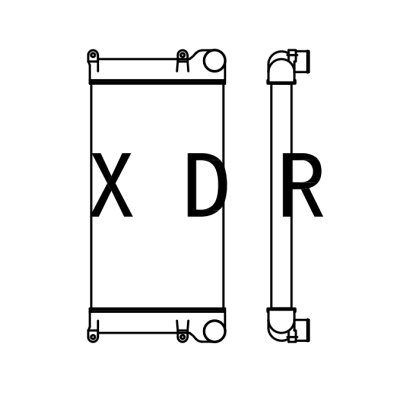
Charge Air Cooler (CAC) or Intercooler: This is a crucial component for turbocharged or supercharged engines. The turbocharger compresses the intake air, which significantly increases its temperature. Hot air is less dense, reducing engine efficiency. The intercooler, typically mounted within or alongside the main radiator, cools this compressed intake air before it enters the engine cylinders. This increases air density, allowing more oxygen for combustion, which boosts power output and improves fuel efficiency.
Transmission Oil Cooler: Automatic transmissions generate significant heat from fluid friction and clutch pack engagement. An integrated oil cooler, often a separate circuit of tubes running through the radiator tank, uses the cooler radiator fluid or incoming airflow to maintain the transmission fluid at a safe temperature. This extends transmission life and improves shifting performance.
Hydraulic Oil Cooler: In heavy machinery (e.g., excavators, loaders), the hydraulic system operates under extreme pressure, generating immense heat. A dedicated section or a separate core within the radiator assembly is used to cool the hydraulic fluid, ensuring the hydraulic system remains responsive and prevents seal degradation.
Engine Oil Cooler: In high-performance or heavy-duty engines, a dedicated cooler for engine oil might also be integrated to ensure the oil maintains its lubricating properties under extreme stress.